The Home Doctor Guide: Practical Medical Tips for Every Family
Introduction
Health is the foundation of a happy life, yet not every family has immediate access to professional medical care. Between rising healthcare costs, busy lifestyles, and unexpected emergencies, the ability to handle common medical issues at home is more important than ever. That’s where the concept of a “home doctor” comes in.
While this guide does not replace professional healthcare, it offers practical, science-backed, and safe tips to help families take control of their well-being. From building a home health kit to learning natural remedies, you’ll discover how to care for common ailments, prevent illness, and know when to seek medical help.
1. Why Every Family Needs a Home Doctor Mindset
Imagine waking up in the middle of the night to a child with a fever or dealing with a sudden headache before work. Running to the doctor isn’t always realistic — and often, these situations can be managed at home.
Here’s why adopting a home doctor mindset is essential in 2025:
- Healthcare costs are rising: Families can save money by managing minor issues at home.
- Empowerment through knowledge: Knowing how to treat everyday problems builds confidence and reduces anxiety.
- Prevention is better than cure: Small daily actions can reduce the risk of chronic disease.

Being your family’s first line of care doesn’t mean avoiding professional medical help; it means being prepared and knowledgeable in everyday situations.
2. Building Your Family Health Kit
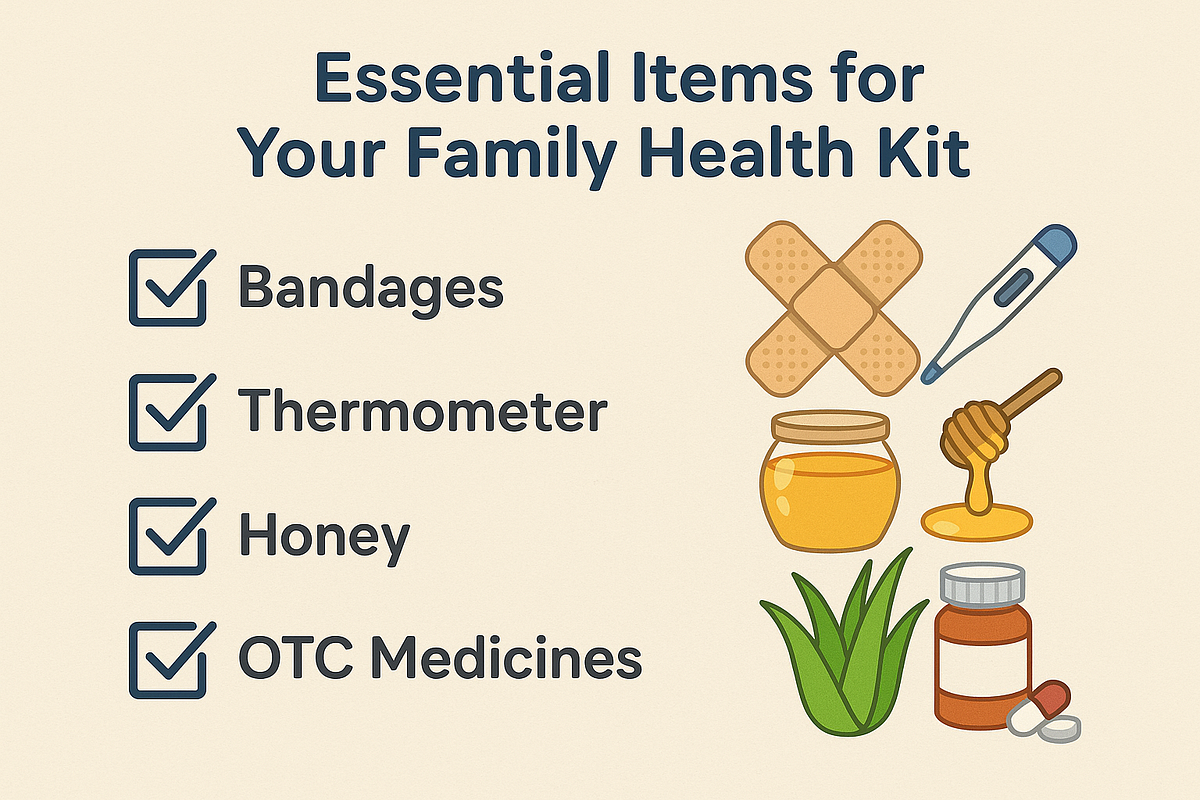
Every household should have a family health kit — your go-to resource for emergencies and common problems.
Essentials to include:
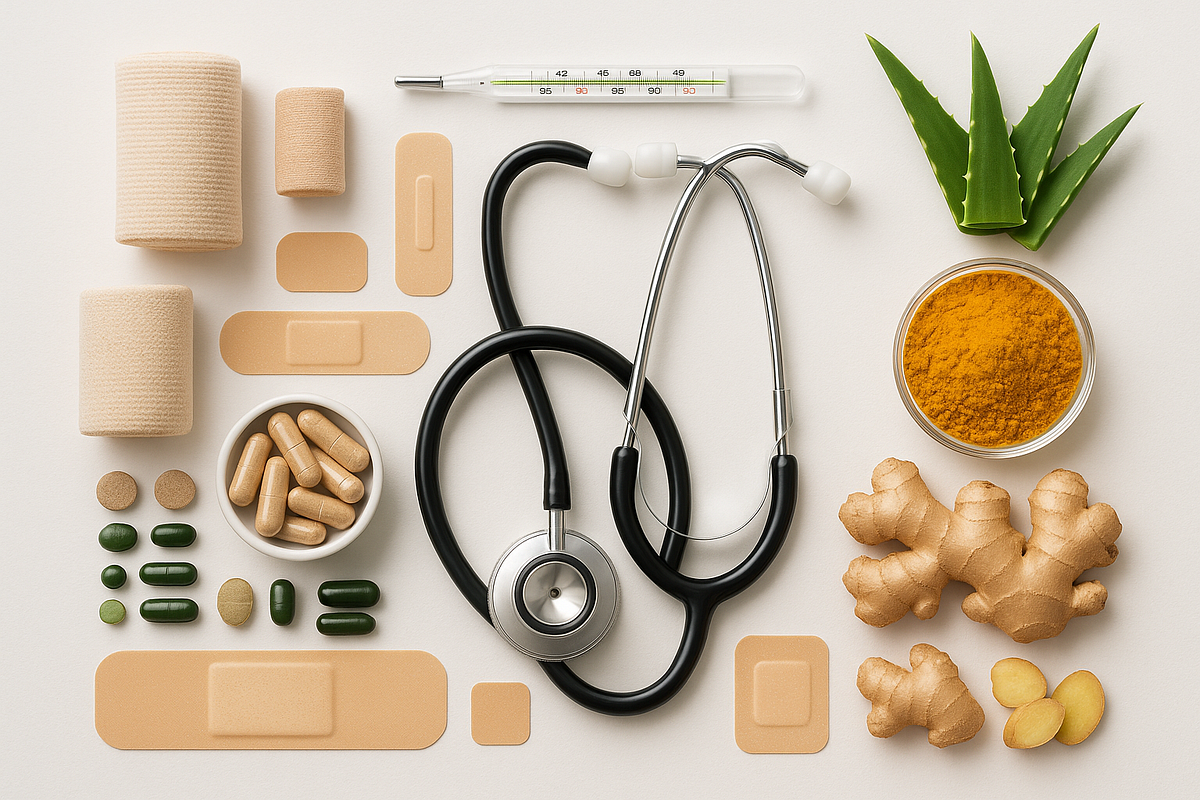
- First-aid items: Bandages, antiseptic wipes, medical tape, thermometer, sterile gauze.
- Over-the-counter medicines: Pain relievers (acetaminophen, ibuprofen), antihistamines, antacids, cough syrup.
- Natural remedies:
- Honey — for sore throats and coughs.
- Ginger — aids digestion and provides nausea relief.
- Aloe vera gel — for burns and skin irritation.
- Emergency items: Flashlight, cold packs, and a family medical contact list.
💡 Pro Tip: Store your health kit in a cool, dry place and check expiration dates every six months.
3. Everyday Health Concerns and Quick Solutions
Colds, Coughs & Sore Throats
- Stay hydrated, rest, and use honey with warm water.
- Gargle with salt water to ease throat pain.
- Steam inhalation with eucalyptus oil can help with congestion.
Headaches & Migraines
- Drink water — dehydration is a common cause.
- Use a cold compress on the forehead.
- Try peppermint oil on temples for natural relief.
Stomach Issues
- Ginger tea for nausea.
- Bananas, rice, applesauce, and toast (BRAT diet) for diarrhea.
- Chamomile tea for indigestion.
Skin Care: Cuts, Burns & Insect Bites
- Wash minor wounds with soap and water, then apply an antiseptic.
- Aloe vera gel reduces burn pain and aids healing.
- Baking soda paste or calamine lotion soothes insect bites.
4. Natural & Herbal Healing at Home
Nature has always been humanity’s pharmacy. While modern medicine is critical, natural remedies can complement care.
- Garlic: Natural antibiotic and immune booster.
- Turmeric: Reduces inflammation and supports joint health.
- Moringa: Rich in vitamins and antioxidants for daily energy.
- Chamomile: Promotes relaxation and helps with sleep.

⚠️ Note: Always check for allergies or interactions with prescribed medications before using herbs.
5. Practical Preventive Health Habits
True health begins with prevention. Families who build healthy routines experience fewer medical issues.
Key preventive practices:
- Nutrition: Eat a balanced diet rich in fruits, vegetables, lean proteins, and whole grains.
- Hydration: Aim for 6–8 glasses of water daily.
- Sleep: Adults need 7–9 hours; children need more for proper growth.
- Stress management: Deep breathing, yoga, and journaling can lower stress.
- Hygiene: Frequent handwashing, clean bedding, and sanitizing high-touch surfaces reduce infections.

Small habits done daily create long-term resilience against disease.
6. When to Handle at Home vs. When to Seek a Doctor
The biggest challenge for families is knowing the line between home care and professional intervention.
Handle at Home:
- Mild cold, cough, or fever below 100.4°F.
- Minor cuts, bruises, or mild headaches.
- Occasional indigestion or constipation.
Seek Medical Help Immediately:
- Fever above 103°F or lasting more than 3 days.
- Severe chest pain or shortness of breath.
- Persistent vomiting or signs.
- Uncontrolled bleeding or major injury.
- Sudden changes in behavior, speech, or vision.
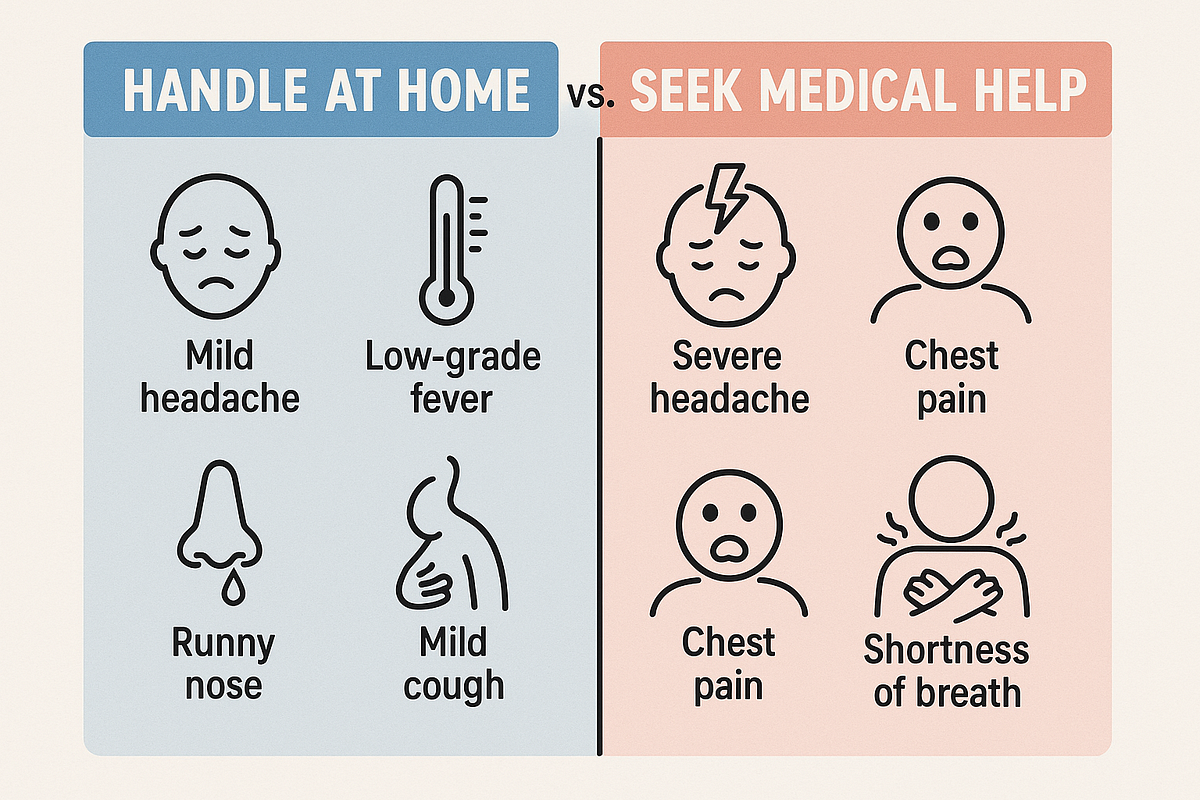
💡 Rule of Thumb: If symptoms worsen or persist beyond a few days, seek professional care.
7. Preparing for Emergencies
Health emergencies strike when least expected. A well-prepared family can save precious time.
Must-have skills & preparation:
- Basic CPR and first-aid training (offered by Red Cross and local clinics).
- Emergency supplies: Epinephrine injector (if prescribed), inhalers, spare prescription meds.
- Family health plan:
- List of emergency contacts.
- Location of nearest urgent care or hospital.
- Backups for essential medications.
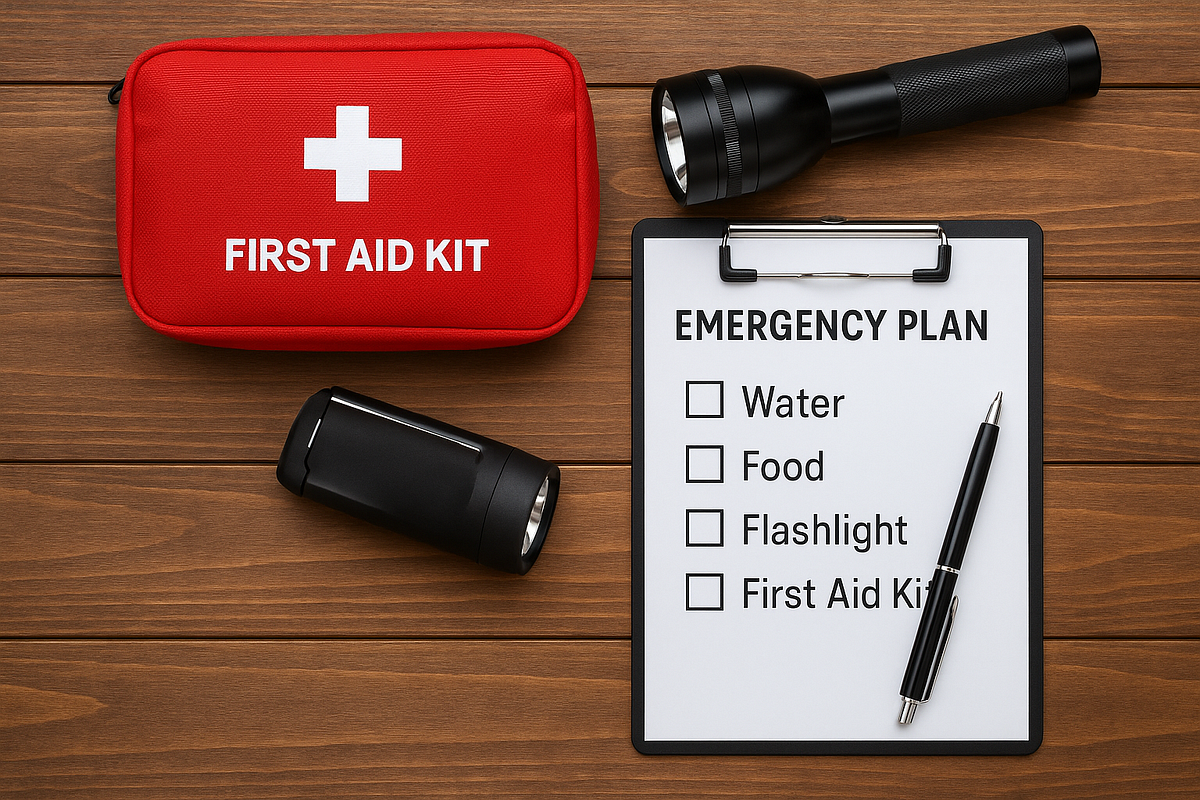
Preparedness ensures calm and effective action during crises.
Conclusion
Becoming your family’s “home doctor” doesn’t mean replacing professionals — it means empowerment, preparation, and prevention. By building a family health kit, learning natural remedies, practicing preventive care, and knowing when to seek help, you create a safer and healthier home environment.
In 2025, families who embrace this self-reliant mindset will enjoy greater peace of mind and fewer health disruptions. Start today — your loved ones will thank you.


Comments
Post a Comment